Best Sushi at Toyosu Market: Sushi Dai, Daiwa & the Alternatives
The definitive 2026 guide to eating sushi at Tokyo's Toyosu Market: Sushi Dai and Daiwa Sushi locations, honest queue times, faster alternatives, what to order, and how to skip the line.
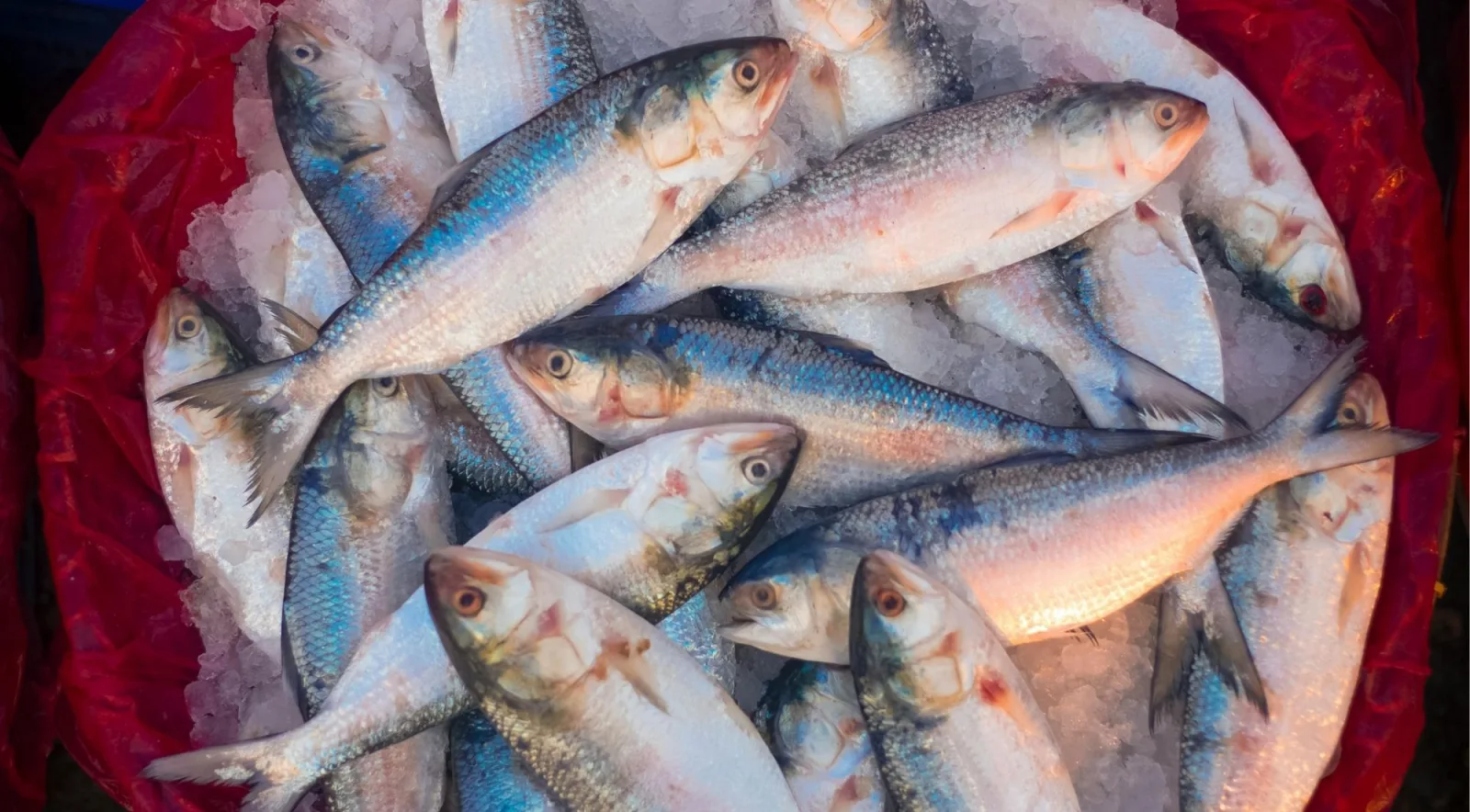
The single most important thing to know: Sushi Dai — the famous name — is on the 3rd floor of Block 6 (the Fisheries Intermediate Wholesale Market Building), not in the same building as Daiwa Sushi, which sits on the 1st floor of Block 5 (the Fruit & Vegetable Building). Both are excellent; both draw multi-hour waits at peak; and neither takes reservations. But the market holds 39 restaurants in total, and several less-famous counters serve the same auction-fresh fish with little or no queue. Getting the queue strategy right is the difference between a two-hour breakfast and a five-hour ordeal.
- Sushi Dai (Block 6, 3F) is the headline act and worth it if you value the ritual — but expect a 2–4+ hour wait on weekends and a numbered check-in/return-time system; Daiwa Sushi (Block 5, 1F) is nearly as good, turns tables far faster, and is the smart pick if you won’t wait half a morning.
- The famous queues are almost entirely tourists. Iwasa Sushi, Sushi Bun, Yamazaki and the Block 7 counters serve the same fish from the same morning auction with a fraction of the wait — the best-kept secret at Toyosu.
- Avoid the classic mistakes: don’t go to Tsukiji looking for Sushi Dai (it moved to Toyosu in 2018), don’t arrive on a closed Wednesday or Sunday, bring cash, and don’t expect to reserve — unless you book a tour that includes reserved seating at Daiwa or Ichiba Sushi.
Prices change constantly and vary with what you order — verify before visiting. This guide describes cost only in qualitative terms.
The Key Facts at a Glance
- Toyosu holds 39 restaurants spread across three buildings, distributed as 22 on Block 6 (3F, the biggest and busiest zone, home to Sushi Dai), 13 on Block 7 (3F, the second cluster, nearest the tuna-auction deck), and 3–4 on Block 5 (1F, home to Daiwa Sushi).
- Sushi Dai now runs a check-in-and-return system rather than a pure standing queue: you get an approximate entry time and can explore the market while you wait. It is cash-only, seats roughly 16–18 at the counter plus a small table, and closes when sold out.
- Daiwa Sushi turns over in 20–30 minutes per diner versus about an hour at Sushi Dai, so its line moves far faster despite similar demand.
- The market’s closed days are the biggest trap: it follows the Tokyo Metropolitan Central Wholesale Market calendar — closed Sundays, holidays, and many (not all) Wednesdays, plus New Year.
- Senkyaku Banrai, the Edo-themed food street next door, opened February 1, 2024 with about 70 stores (per GO TOKYO, the official Tokyo Travel Guide) — but it opens around 10:00am and is a supplement to, not a replacement for, an early market morning.
The Toyosu Restaurant Landscape
When Tsukiji’s inner (wholesale) market relocated to Toyosu in October 2018, its beloved restaurants came too — scattered across a much larger, more confusing site. Toyosu is the world’s largest wholesale market, and the dining is deliberately split across three separate buildings (“blocks”), all connected to Shijō-mae Station on the Yurikamome Line by elevated pedestrian walkways. Our complete Toyosu visitor guide maps the whole site if you need your bearings first.
Block 6 — Fisheries Intermediate Wholesale Market Building (3rd floor). This is the largest and busiest restaurant zone, with 22 restaurants, and it holds the biggest names — above all Sushi Dai. Many of the most famous Tsukiji tenants regrouped here. If you only have time for one restaurant floor, this is it. It’s a working seafood-wholesaler building, and the restaurant corridor sits above the intermediate wholesalers who buy from the morning auction.
Block 7 — Management Facilities Building (3rd floor). The second cluster, with 13 restaurants including several sushi counters plus Chinese, ramen, tempura and coffee shops. Crucially, Block 7 connects directly to Shijō-mae Station and houses the tuna-auction viewing deck, so it’s the first building most visitors enter and the most convenient after watching the auction. If Block 6 is heaving, come here.
Block 5 — Fruit and Vegetable Building (1st floor). The smallest zone, with 3–4 restaurants at ground level rather than up on the 3rd floor. The confirmed tenants are Daiwa Sushi, Tenfusa (tempura) and Fujimiya (soba). Several visitors report far shorter lines here than at Block 6.
Sushi Dai (寿司大) — The Headline Act
Location
Sushi Dai is on the 3rd floor of Block 6, the Fisheries Intermediate Wholesale Market Building (6-5-1 Toyosu, Koto-ku). To reach it, enter via the pedestrian deck, go to the 3rd-floor restaurant corridor, and follow the crowds.
Hours, closing, sold-out practice
Sushi Dai opens early — the Block 6 building opens to the public at 5:00am, and Sushi Dai begins serving somewhere between 5:30am and 6:00am. It runs until around 2:00pm but closes as soon as it sells out for the day. It is closed Sundays, national holidays and Wednesdays (following the market calendar).
The omakase set
Sushi Dai is essentially an omakase (chef’s-choice) house. The signature set comprises roughly 10 pieces of nigiri chosen by the chef, plus one piece of your choice at the end, a sushi roll, tamago (sweet egg) and miso soup — sources variously count 8–11 chef pieces, and the exact line-up changes with the day’s catch. Expect seasonal highlights such as otoro (fatty tuna), uni (sea urchin), ikura, anago (sea eel) and kinmedai (golden-eye snapper). The final “your choice” piece is part of the fun — most people repeat their favourite. À-la-carte and cooked options (like aburi otoro) are also available. Portions are generous and the pacing is relaxed and interactive; a seating typically lasts around 45 minutes to an hour.
The queue — what it’s actually like in 2026
This is the part that matters most. Sushi Dai’s wait is legendary and, on a busy day, still brutal — but the mechanics have changed since the pandemic.
- It’s now a check-in / timed-return system, not pure standing-in-line. Per a first-hand January 2025 account from Ryoko’s Travel & Food Journal: “Since the COVID-19 pandemic, Sushidai has adopted a system where you check in at the storefront and return at the designated time instead of waiting in line. The entrance to the building opens at 5 AM, and customers are guided to the storefront in order. No running allowed!” You register your party size and dining choice, get a slip with an approximate entry time, and are free to explore the market until then.
- Realistic waits (2025–2026): On weekdays it’s much easier — arriving around 5:00am often secures a first or second seating, and walk-in seats sometimes remain into mid-morning. On weekends and holidays it’s severe: multiple 2025 first-hand reports describe arriving around 5:46am and being seated at 8:40am (~3 hours), or queuing from 4am and not being seated until 9am. One traveller who left their hotel at 5am (already “late”) got a return slot for noon.
- When it closes: There’s no fixed daily sell-out time — allocation stops once all seats through closing are booked. On very busy days that can be within the first couple of hours.
- Queue comfort: The wait area is indoors (a big improvement on Tsukiji’s street queue), and there are a limited number of stools outside the shopfront — the next group in gets to sit; everyone else stands or, with the new system, wanders off and returns.
Reservations
No direct reservations. Sushi Dai’s own FAQ confirms seats cannot be reserved. The only way to skip the line is indirectly: some guided tours secure reserved sushi-breakfast seating — but typically at Daiwa Sushi or Ichiba Sushi, not Sushi Dai.
Counter size and seatings
Roughly 16–18 counter seats plus one small table (~15–20 diners per rotation), with full turnover roughly every 45–70 minutes.
Language and payment
English menus/support are available, and chefs are used to international guests and happy to name each piece. Cash only — no credit cards. Bring yen.
Is the wait justified?
Honest verdict: the food is excellent and the experience genuinely special — but the wait is a novelty tax as much as a quality premium. A candid Tripadvisor reviewer with sushi expertise argues the hype outstrips the reality and that some other Toyosu counters actually age their fish more carefully. Our take: if the ritual — dawn queue, market buzz, chatty chefs, your first bite of melting otoro at 7am — is the point, Sushi Dai delivers and you won’t regret it. If you mainly want superb market sushi with your morning intact, Daiwa or one of the quiet counters gives you 90% of the experience for a fraction of the wait.
Daiwa Sushi (大和寿司) — The Faster Alternative
Location
Daiwa Sushi is on the 1st (ground) floor of Block 5, the Fruit & Vegetable Building (registered around 6-3-2 / 6-3-1 Toyosu). It’s the odd one out — a sushi counter tucked into the produce building, at ground level, a short walk across the walkways from the fish buildings.
Hours and closed days
Roughly 6:00am to 1:00pm (some listings say 5:30am), closed Wednesdays and Sundays and market holidays. Like all market restaurants it can close early if it runs out.
The set menu
The Daiwa omakase typically includes 7 pieces of nigiri, a rolled sushi, tamagoyaki and miso soup, with the option to order additional pieces at the end (aji is a popular add-on). The tuna is the star.
Queue vs Sushi Dai
This is Daiwa’s edge. Because diners finish in 20–30 minutes (versus ~an hour at Sushi Dai), the line moves far faster. Reported waits run around 1–2 hours at peak versus Sushi Dai’s 2–4+, and off-peak it can be dramatically better: multiple visitors report little or no queue on weekday mid-mornings (one arrived at 10:30am to no line at all; another found only 30% of seats filled at 7:20am on a Monday). Arriving before opening (~5:30–6:00am) on a weekday can get you seated in the first rotation.
Counter and turnover
About 20 seats across two rooms arranged around a “コ”-shaped counter, with 10+ staff and a fast, efficient rhythm. It’s roughly twice the size of Sushi Dai and turns over much quicker.
Language and payment
Chefs are used to tourists and often banter in several languages; English is manageable. Confirm payment on the day — market sushi counters are traditionally cash-first, so carry cash even where cards may be accepted.
Quality vs Sushi Dai
Genuine comparative opinion is split and close. Many long-time visitors slightly prefer Daiwa; others give Sushi Dai the edge on atmosphere. A representative Tripadvisor verdict calls Daiwa “above average mid-grade” and notes candidly that “the hype has everything to do with location — you just saw the tuna auction and then you can eat tuna at 6am.” In short: both are very good market sushi, neither is a Ginza-tier omakase, and the quality gap between them is smaller than the queue gap.
Other Experiences You Might Enjoy
Most people build the sushi counter into a bigger market morning. The obvious pairings are the Toyosu tuna auction itself, a guided walk through the Tsukiji Outer Market, an Edo-style sushi-making class, or a stop at Toyosu Senkyaku Banrai once it opens. Several tours bundle the auction with reserved sushi-breakfast seating so the queue stops being your problem:
The Other Notable Restaurants at Toyosu
Toyosu’s real value is in the restaurants nobody queues for. All operate on market hours (roughly early morning to early afternoon) and close on market holidays. Confirm existence and hours before you go — this is a working market and tenancies shift.
Sushi — the quiet counters (Block 6 & Block 7)
- Iwasa Sushi (岩佐寿し) — Block 6, 3F. Affordable, varied sushi with a renowned uni and a distinctive shellfish set (blood clam, surf clam, whelk, trough-shell adductor). Friendly, some English. A frequent “best sleeper pick”: one traveller called it a trip highlight, seated instantly at 6am while crowds queued next door. Best for: anyone who wants Sushi Dai-quality freshness without the wait.
- Sushi Bun (寿司文) — Block 6, 3F. A historic Edomae sushi house with a very long lineage (some sources cite ~150 years, others ~180). Traditional, well-regarded, low-drama. Best for: purists who want heritage without the circus.
- Yamazaki (すし処やまざき) — Block 7, 3F. Chirashi and nigiri sets; the chef will happily swap out anything you dislike. Best for: flexible eaters and first-timers.
- Ichiba Sushi (市場すし) — Block 7, 3F. Tuna-focused, uses most parts of the fish; notable because several tour operators use it for reserved, no-queue seating (often offered as an alternative to Daiwa). Fast service. Best for: groups and anyone on a tour with pre-booked seats.
- Ryu Sushi / Ryuzushi (龍寿司) — Block 7, 3F (management building). A smaller counter among the Block 7 sushi cluster. Best for: overflow when the big names are jammed.
Tempura, tonkatsu & fried
- Yachiyo (八千代) — Block 7, 3F (Management Facilities Building). The market’s famous fry house: superb deep-fried horse mackerel (aji fry), scallop, kuruma prawn and seasonal deep-fried oysters, plus a cult chāshū-and-egg dish served only on Tuesdays/Thursdays/Saturdays. Cash only, no reservations. Best for: a hearty non-sushi market breakfast.
- Tenfusa (天房) — Block 5, 1F (with Daiwa). Long-established tempura and tendon; anago and shrimp tempura are the picks. English menu; small (~8 seats). Best for: tempura lovers who want to pair with a Block 5 visit.
- Odayasu (小田保) — Block 6, 3F. Tonkatsu and fried dishes since the 1930s, famous for large seasonal deep-fried oysters in winter, a signature Scotch egg, and chāshū-and-egg sets. English menu. Best for: big fried oysters and set meals.
- Rokumeiken (禄明軒) — Block 6, 3F. Japanese–Western fusion; fried scallops and minced-meat cutlets. Best for: comfort food.
Rice bowls, eel, chicken & more
- Oedo / Kaisendon Oedo (大江戸) — Block 6, 3F. Kaisendon (seafood rice bowls) specialist with over a century of history; tourist-friendly with English-speaking staff. The uni/ikura/tuna bowl is the pick. Best for: those who prefer a loaded rice bowl to a nigiri set.
- Toritoh (鳥藤) — Block 6, 3F. A chicken wholesaler’s restaurant serving excellent oyakodon and torimeshi with brand Daisen chicken. Best for: anyone who doesn’t want fish for breakfast.
- Yonehana (米花) — Block 6, 3F. A well-loved set-meal / chef’s-choice restaurant. Serves eel and chicken bowls and a rotating chef’s set. Best for: a home-style Japanese teishoku.
- Yajima (やじ満) — Block 7, 3F. The market’s beloved Chinese/ramen counter — jumbo shumai and, from October to March, a popular oyster ramen. Best for: a quick, warming bowl.
- Fujimiya (富士見屋) — Block 5, 1F. The market’s only soba shop; duck-dumpling soba is the favourite. Best for: a lighter, noodle breakfast.
- Mosuke / Mosuke Dango (茂助) — Block 6, 3F. Traditional Japanese sweets (dango, mochi). Best for: dessert.
- Senri-ken (センリ軒) — Block 6, 3F. Historic market café for coffee, egg sandwiches and cream stew. Best for: a Western-style break after the auction.
- Nakaei — Block 6, 3F. Handmade Japanese curry — a surprise standout. Best for: curry cravings.
Queue Strategy — The Tactical Section
This is where you win or lose your morning.
Optimal arrival times:
- Sushi Dai: Weekdays, arrive by ~5:00am (building open) to check in for a first/second seating. Weekends/holidays, arrive 3:30–4:30am or accept a mid-morning return slot. If you arrive after ~7am on a busy day, expect a long return time or a sell-out.
- Daiwa Sushi: Arrive ~5:30–6:00am on a weekday and you may walk straight in or wait one rotation. Even 9–10:30am on a quiet weekday can mean little wait.
- Quiet counters (Iwasa, Sushi Bun, Yamazaki, Ichiba): Often walk-in any time before ~9am.
How it interacts with the tuna auction: The auction runs, per Tokyo Cheapo, “from around 5:45 a.m. to 6:25 a.m. However, the exact length depends on how many tuna are being sold that day. Sometimes it can be over in about 20 minutes; other times it may last closer to an hour.” You can view it free from the upper walkway (opens 5:00am, no booking) or from the closer lower deck (free, by online lottery). Per the current official lottery mechanics, 100 people are admitted each day, in groups of up to five. The smart sequence for solo travellers and couples on a busy day: check in at Sushi Dai first (~5:00am), get your return time, then watch the auction during the wait, and eat after. If you have a lottery deck ticket, you’re committed to the auction window, so check in at Sushi Dai on your way in. For an easier morning, watch the auction, then eat at Daiwa or a quiet counter with no strategic queuing at all. The full lottery mechanics are in our tuna auction viewing and lottery guide.
Eat before or after the auction? After. The auction is time-fixed; sushi is flexible. Bank the auction first (or overlap it with your Sushi Dai wait), then eat.
Restaurants with no queue that are still excellent: Iwasa Sushi, Sushi Bun, Yamazaki, Ichiba Sushi, Yonehana, and Oedo. These take the same fish from the same auction.
When queues peak and subside: Peak crush is roughly 6:00am–9:00am (post-auction surge) and again around lunch (11am–1pm). Between the post-auction rush and lunch there’s sometimes a mid-morning lull, especially on weekdays.
Solo diners: Yes — solo travellers are often seated faster at counter restaurants, since single seats fill gaps. Sushi Dai explicitly welcomes solo diners.
Groups: Small counters struggle with big groups. For 4+, either split up, go to larger Daiwa, or book a tour with reserved seating (Ichiba/Daiwa). Sushi Dai may take a deposit for parties of 2+ under the check-in system.
If a restaurant sells out: Don’t wait it out — pivot immediately to Block 7’s sushi cluster or a quiet Block 6 counter. There is no benefit to standing at a shuttered shop, and dozens of excellent options are minutes away.
What to Order and How to Eat
The market omakase format: At a market sushi counter you sit at the counter, the chef serves nigiri one or two pieces at a time, and a typical set includes assorted nigiri, a maki roll, tamago (sweet egg omelette) and miso soup, finishing with a piece of your choice. You can order extra pieces at the end.
Seasonal fish: Toyosu’s whole appeal is that the menu tracks the auction. Look for uni and oysters in winter, katsuo (bonito) in spring/early summer, aji (horse mackerel) in summer, sanma (Pacific saury) in autumn, and bluefin tuna year-round (much of it responsibly frozen at sea — “fresh” here means expertly handled, not never-frozen).
Tuna cuts: akami is the lean, deep-red loin — clean and meaty; chutoro is the medium-fatty cut — balanced and popular; otoro is the richest, most marbled belly — it melts. Try all three if offered — our tuna cuts and grading guide explains where each one sits on the fish.
Other essentials: uni (sea urchin, sweet and creamy), ikura (salmon roe, briny pops), anago (sea eel, softer and lighter than freshwater unagi, often brushed with sweet sauce), and tamago (the sweet egg “dessert” that many chefs use to show off).
How to eat nigiri properly: Nigiri is finger food — eating by hand is perfectly correct (chopsticks are fine too). If dipping, turn the piece and touch the fish, not the rice, to the soy sauce — rice-side down soaks up too much and falls apart. Eat each piece in one bite, fish-side down on your tongue. Use ginger (gari) as a palate cleanser between pieces, not as a topping. Don’t drown pieces already brushed with nikiri sauce. A quiet “gochisōsama” at the end is appreciated.
Etiquette at a small counter: Keep bags off the counter, don’t wear heavy perfume, eat promptly (the fish is at its best immediately), don’t photograph other diners, and keep your group’s volume down. These are tiny, busy rooms.
Practicalities
- Cash vs card: Assume cash (yen) is essential. Sushi Dai is cash-only; many market restaurants are cash-first, though some newer listings show cards/IC/QR accepted. Don’t rely on plastic.
- Language: English menus and basic English are common at the tourist-facing counters (Sushi Dai, Daiwa, Oedo, Tenfusa, Odayasu). Chefs are used to pointing and naming pieces.
- Tipping: There is no tipping in Japan. Don’t leave money on the counter — it can cause confusion or mild offence.
- Seating: Almost all are small counters (8–20 seats). Table seating is rare (Yonehana has tables; Sushi Dai has one small table).
- Large groups: Poorly accommodated at the famous counters; use tours or larger restaurants.
- Dietary restrictions: Market sushi counters accommodate vegetarian, vegan, allergy and religious needs poorly. Menus are fish-centric and fixed; dashi and soy are everywhere; halal/kosher certification is essentially absent. Vegetarians and vegans will find little beyond tamago, cucumber rolls and miso — and even those may contain animal-derived dashi. If you have serious allergies, market counters cannot reliably manage cross-contamination. Better options: a guided sushi-making tour that pre-arranges vegan/halal needs, or Senkyaku Banrai’s wider variety.
- Smoking: Restaurants are non-smoking; Senkyaku Banrai has a designated smoking room on its 2nd floor.
- Children: Tolerated but not catered to — no kids’ menus; counters are tight. Daiwa is more relaxed with children than tiny Sushi Dai.
- Accessibility: The market is modern with lifts and connecting decks, so wheelchair access to the buildings is good; individual counters are cramped. Daiwa’s area notes wheelchair-accessible parking.
- Luggage: Don’t bring big suitcases — there’s no storage inside the counters and no visitor parking at the market. Coin lockers are available at Senkyaku Banrai (2nd floor).
Eating at Toyosu vs the Alternatives
Toyosu market sushi vs Tsukiji Outer Market: Tsukiji’s outer market never closed — it thrives as a daytime (roughly 8am–2pm) street-food and sushi destination with no 5am wake-up and no auction. Toyosu is for the auction + dawn sushi ritual; Tsukiji is for relaxed grazing and atmosphere. Most travellers doing one should pick based on whether they want the auction (Toyosu) or a sleep-in and street food (Tsukiji). See our Tsukiji vs Toyosu comparison and the Tsukiji Outer Market complete guide.
Toyosu vs Senkyaku Banrai: The new complex next door has its own sushi and seafood restaurants but opens later (~10am) and, by several honest accounts, can be pricier and less remarkable than the market’s own counters. It’s a great supplement — not a substitute for the real market restaurants.
Toyosu vs regular Tokyo sushi: Here’s the honest question. Is market sushi actually better, or just fresher and closer? Mostly the latter. The market counters are very good, excellent value, and unbeatable for the experience of eating metres from the auction. But a serious Ginza or neighbourhood omakase — where the chef ages fish deliberately, controls rice temperature obsessively, and serves at a calm pace — will usually deliver more refined sushi. Choose Toyosu for the ritual, freshness and value; choose a proper omakase for the pinnacle of the craft; choose kaiten (conveyor-belt) sushi for cheap, casual convenience.
Senkyaku Banrai Dining
Toyosu Senkyaku Banrai (“a flood of customers”) opened February 1, 2024, immediately beside the market; per GO TOKYO it “recreates the streets of Edo” and features around 70 stores at 6-5-1 Toyosu, Koto-ku, open 365 days. It pairs an Edo-themed food street with a 24-hour hot-spring complex (Tokyo Toyosu Manyo Club). The dining hall spreads across three floors: casual eateries and ramen on the 1st, the lively Mekiki Yokocho stalls and Toyosu Menuki Odori street food (tuna skewers, tamagoyaki, seafood burgers, croquettes) on the 2nd, and sit-down sushi and kaisendon on the 3rd. There’s a free public foot-bath garden on the 8th floor (officially listed 9:00am–10:00pm; some local sources report 10:00am–8:00pm — verify same-day).
How it fits your morning: The complex generally opens around 10:00am (some 2nd-floor shops from 9:00am), which is after the auction and after the best market-restaurant hours. So the natural rhythm is: auction and market sushi first (5–9am), then wander into Senkyaku Banrai when it opens for a snack, souvenirs, and a foot-bath — or an onsen soak if you pulled an all-nighter. Unlike the market, Senkyaku Banrai is open year-round with no closed Wednesdays, making it the fallback on days the market itself is shut.
Common Mistakes
- Turning up at Sushi Dai without understanding the queue. It’s a check-in-and-return system now, but on a busy day your “breakfast” can become lunch. Plan around it.
- Going to Tsukiji looking for Sushi Dai or Daiwa Sushi. Both moved to Toyosu in 2018. They are not at Tsukiji.
- Arriving on a closed day. The market shuts Sundays, holidays and many Wednesdays. Check the official calendar first — see our opening hours and closed-days guide.
- Arriving too late. Most restaurants wind down early afternoon and close when sold out. This is a morning activity.
- Not bringing cash. Sushi Dai is cash-only; assume the same everywhere.
- Assuming you can reserve. You can’t book Sushi Dai directly — only via a tour, and usually the reserved seat is at Daiwa or Ichiba, not Sushi Dai.
- Underestimating how early the famous queues form. On weekends, people line up before 4am.
Booking & Tours
Can’t face the queue, or travelling as a group? Several guided tours include reserved sushi-breakfast seating and skip-the-line access — most commonly at Daiwa Sushi or Ichiba Sushi (not Sushi Dai), plus expert-guided tuna-auction viewing and market access. Tours are the only reliable way to guarantee a seat for a group of any size and to have dietary needs (vegan, halal) pre-arranged. Compare the options in our Tokyo fish market tours comparison.
Comparison Table
| Restaurant | Location (block/building/floor) | Speciality | Typical queue | Hours (verify) | Payment | Who it suits |
|---|---|---|---|---|---|---|
| Sushi Dai | Block 6, Fisheries Intermediate Wholesale, 3F | Omakase nigiri | 2–4+ hrs peak; check-in/return system | ~5:30/6:00am–2pm; closed Sun/Wed/hols | Cash only | Ritual-seekers who’ll wait |
| Daiwa Sushi | Block 5, Fruit & Vegetable, 1F | Omakase nigiri | 0–2 hrs; fast turnover | ~6am–1pm; closed Wed/Sun | Cash (confirm) | Great sushi, less waiting |
| Iwasa Sushi | Block 6, 3F | Varied sushi, shellfish set, uni | Little/none | ~5:30am–2:30pm | Cash/cards vary | Sleeper pick, no queue |
| Sushi Bun | Block 6, 3F | Historic Edomae sushi | Little | Morning–early PM | Cash | Heritage purists |
| Ichiba Sushi | Block 7, Management Facilities, 3F | Tuna-focused sushi | Little; tour-reservable | ~6am–3pm | Cash | Groups & tour guests |
| Yachiyo | Block 7, 3F | Aji fry, tonkatsu, oysters | Moderate at lunch | ~5am–1pm; closed Sun/Wed/hols | Cash | Fried-food fans |
| Tenfusa | Block 5, 1F | Tempura, tendon | Low–moderate | ~7am–2pm | Cash (confirm) | Tempura lovers |
| Odayasu | Block 6, 3F | Tonkatsu, deep-fried oysters | Busy 11–2 | ~5:30am–3pm | Cash | Set-meal & oyster fans |
| Oedo | Block 6, 3F | Kaisendon | Low–moderate | ~6:30am–3:30pm | Cash | Rice-bowl lovers |
| Toritoh | Block 6, 3F | Oyakodon, chicken | Low | ~7am–1:30pm | Cash | Non-fish eaters |
| Yajima | Block 7, 3F | Ramen, shumai, oyster ramen | Low | ~5am–1pm | Cash | Quick warm bowl |
| Fujimiya | Block 5, 1F | Soba | Low | ~6:30am–2pm | Cash | Lighter breakfast |
| Yonehana | Block 6, 3F | Set meals, eel/chicken bowls | Low | ~7am–11am | Cash | Home-style teishoku |
Qualitative pricing only: the counters range from “inexpensive for what it is” (the fried/rice-bowl/ramen shops) to “a mid-range splurge” (Sushi Dai, Daiwa, Iwasa). Prices change — verify before visiting.
Frequently Asked Questions
Where exactly is Sushi Dai? 3rd floor, Block 6 (Fisheries Intermediate Wholesale Market Building), Toyosu Market. Not Block 5 or Block 7 — ignore blogs that say otherwise.
Where is Daiwa Sushi? 1st floor, Block 5 (Fruit & Vegetable Building) — a short walk from the fish buildings, at ground level.
Can I reserve Sushi Dai? No. It’s walk-in only with a same-day check-in/return-time system. Tours can reserve Daiwa or Ichiba instead.
How long is the wait at Sushi Dai in 2026? Weekdays, often 1–2 hours (or a manageable return slot). Weekends/holidays, 2–4+ hours; arriving after 7am risks a very late slot or sell-out.
Is Daiwa faster? Yes — much. It turns tables in 20–30 minutes and often has little or no line on weekday mornings.
Do they take cards? Sushi Dai is cash-only. Assume cash everywhere; carry yen.
Is it worth waking up at 4am? For the ritual and the auction, yes. For the sushi alone, a quiet counter or Daiwa gets you most of the way with far less pain.
What if I don’t like raw fish? Try Yachiyo (fried), Odayasu (tonkatsu), Toritoh (chicken oyakodon), Yajima (ramen) or Tenfusa (tempura).
Are the famous places just tourist traps? Not exactly — the food is genuinely good and good value. But the wait is driven by fame; equally fresh sushi is available with no queue nearby.
Can vegetarians eat here? Barely. Market counters are fish-first and use animal-based dashi widely. Plan around one reliable option or use Senkyaku Banrai.
When is the market closed? Sundays, national holidays, many Wednesdays, and New Year (~Dec 30–Jan 4). Always check the official calendar.
How do I get there? Yurikamome Line to Shijō-mae Station (direct walkway access). The earliest possible train arrival is 05:17, leaving no real margin for the auction — take a taxi or stay nearby. See our guide to getting to Toyosu Market for the full routes and times.
Book Your Toyosu Tuna Auction Tour
Join 415+ guests who rated this experience 4.9/5. Tuna auction viewing, Tsukiji outer market walk, and fresh sushi breakfast — all with a licensed local guide. Free cancellation.
Check Availability & Book