Bluefin Tuna Auction Record Prices Explained
Why does a single bluefin tuna sell for millions? A fully sourced guide to Toyosu Market's record New Year auction prices (¥510.3M in 2026), what tuna really costs, and how to see the auction yourself.
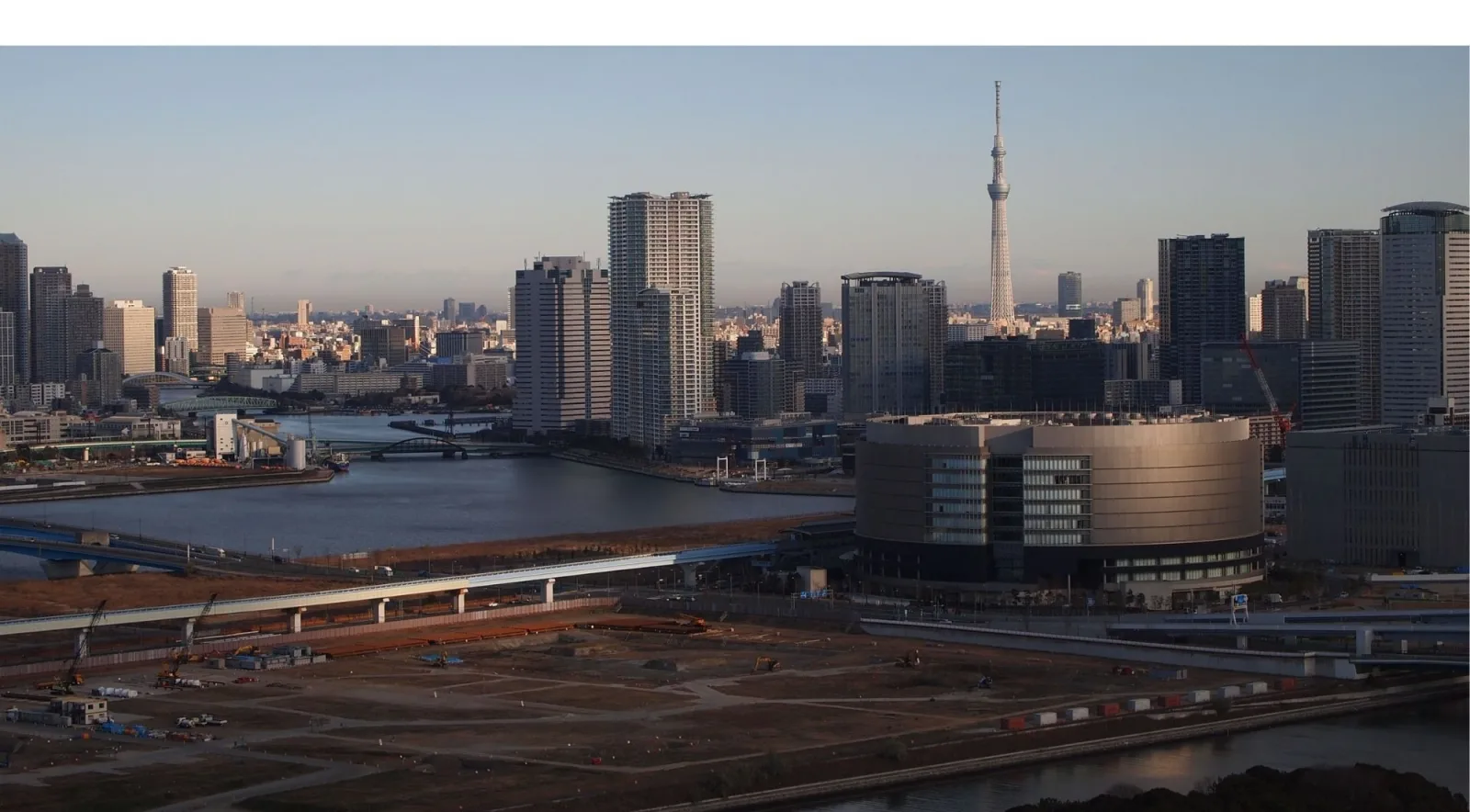
The short answer: On 5 January 2026, a single 243 kg Pacific bluefin tuna caught off Oma, Aomori Prefecture, sold for a record ¥510.3 million (about US$3.2 million) at Tokyo’s Toyosu Market New Year auction — but that price is a ceremonial, publicity-driven exception, not what tuna actually costs. On an ordinary day even superb Oma bluefin trades for a tiny fraction of that. This guide explains both numbers, the full history of record prices, and everything that determines what a tuna is worth.
- The 2026 record: Kiyoshi Kimura’s Kiyomura Corp. (operator of the Sushi Zanmai chain) paid ¥510.3 million (≈US$3.2 million), or ¥2.1 million per kilogram, for a 243 kg Oma bluefin — smashing his own 2019 record of ¥333.6 million and reclaiming the “Tuna King” title after six years.
- Why it’s not a real market price: The first-of-the-year (hatsu-uri) bid is a good-luck ritual and a marketing spectacle. The same fish on a normal trading day would fetch roughly ¥17,000–20,000 per kilogram — meaning the buyer pays roughly a hundred times market value in exchange for guaranteed national and global news coverage.
- See it yourself: You can watch the Toyosu tuna auction for free from the upper observation walkway (no booking) or, if you win the monthly lottery, from the close-up lower deck.
The Key Facts, Verified
- The 2026 result is verified consistently across the Associated Press, Reuters, CNN, CBS News, The Japan Times, Nippon.com and SeafoodSource: ¥510.3 million, 243 kg, Oma origin, bought by Kiyomura/Kimura. (One outlet, Nippon.com, lists the weight as 234 kg; the 243 kg figure is used by AP, Reuters, CNN and The Japan Times and is consistent with the reported ¥2.1 million/kg unit price, so we treat 243 kg as correct and flag 234 kg as a likely typo.)
- New Year auction prices have swung wildly — from ¥4.51 million (2015) to ¥510.3 million (2026) — driven almost entirely by bidding rivalries and publicity strategy, not by the fish’s culinary value.
- Prices collapsed during the COVID-19 pandemic (2021–2022) when Kimura withdrew and public tuna-cutting shows were impossible, bottoming at ¥16.88 million in 2022.
- Oma, at the northern tip of Honshu, has produced the top New Year fish in almost every year on record; its pole-and-line (ippon-zuri) tradition and the rich currents of the Tsugaru Strait underpin the brand.
- All three bluefin species have recovered from severe depletion; Pacific bluefin met its rebuilding target in 2021, a decade ahead of schedule, and was assessed as no longer overfished in 2024.
The 2026 Record — What Actually Happened
At the predawn first auction of 2026 at Toyosu Market on Monday, 5 January, a 243-kilogram (535-pound) Pacific bluefin tuna landed at Oma in Aomori Prefecture sold for ¥510.3 million — reported as approximately US$3.2 million (and roughly €2.7 million) at the exchange rate on the day. That works out to about ¥2.1 million per kilogram (about US$13,360 per kg, or US$6,060 per pound). It is the highest price ever recorded for the New Year top tuna since comparable data collection began in 1999.
The winning bidder was Kiyomura Corp., whose president Kiyoshi Kimura — self-styled the “Tuna King” — runs the Sushi Zanmai restaurant chain. It was Kimura’s first win in six years, and it broke his own previous record of ¥333.6 million set in 2019. Speaking to reporters afterward, Kimura told Reuters: “I thought that [the winning bid] would come in a little bit lower, maybe around 400 million or 300 million yen, but it turned out to be over 500 million.” He also framed the purchase in the traditional way: “It’s in part for good luck… But when I see a good looking tuna, I cannot resist.” He added that it was “an auspicious fish, so we hope as many people as possible can eat it and get energized,” and confirmed the tuna would be broken down and served across his restaurants at the chain’s usual per-piece prices.
The runner-up matters to the story: according to Nippon.com, the wholesaler Yamayuki, bidding on behalf of the Ginza Onodera group (the top buyer for the previous five years), pushed the price to ¥2 million per kilogram — a total of ¥486 million for the 243 kg fish — before stopping just short of ¥500 million. Kimura went one step further. That head-to-head is what drove the number into record territory.
A note on USD figures: Every dollar figure in this article is the value reported by news outlets at the time of each sale. Because the yen–dollar rate moves, the same yen figure can be quoted as a different dollar amount by different outlets or in later years. The yen figures are the stable, authoritative ones; treat the USD equivalents as approximate snapshots. (For example, the 2019 ¥333.6 million record was reported as “$3.1 million” in 2019 but, after the yen weakened, described as “$2.1 million” in 2026 coverage — the yen never changed.)
The Full History of Record New Year (Hatsu-uri) Prices
The table below compiles the top-priced New Year tuna year by year. Prices before 2019 were set at the old Tsukiji market; from 2019 the auction moved to Toyosu. USD figures are as reported at the time.
| Year | Weight | Price (¥) | Approx. USD (at the time) | Winning buyer | Origin |
|---|---|---|---|---|---|
| 2001 | 202 kg | ¥20.2 million | — | (Tsukiji) | — |
| 2011 | 342 kg | ¥32.49 million | ~$396,000 | Itamae Sushi (Taste of Japan Group) | Toi, Hokkaido |
| 2012 | 269 kg | ¥56.49 million | ~$736,000 | Kiyomura / Kimura | Oma, Aomori |
| 2013 | 222 kg | ¥155.4 million | ~$1.76 million | Kiyomura / Kimura | Oma, Aomori |
| 2014 | 230 kg | ¥7.36 million | ~$70,000 | Kiyomura / Kimura | Aomori (origin not stated in wire report) |
| 2015 | 180.4 kg | ¥4.51 million | ~$37,500 | Kiyomura / Kimura | Oma, Aomori |
| 2016 | 200 kg | ¥14 million | ~$117,000 | Kiyomura / Kimura | Oma, Aomori |
| 2017 | 212 kg | ¥74.2 million | ~$632,000 | Kiyomura / Kimura | Oma, Aomori |
| 2018 | ~405 kg | ~¥36 million | ~$323,000 | Onodera Group | Oma, Aomori |
| 2019 | 278 kg | ¥333.6 million | ~$3.1 million | Kiyomura / Kimura | Oma, Aomori |
| 2020 | 276 kg | ¥193.2 million | ~$1.8 million | Kiyomura / Kimura | Oma, Aomori |
| 2021 | 208 kg | ¥20.84 million | ~$202,000 | Onodera Group | Oma, Aomori |
| 2022 | 211 kg | ¥16.88 million | ~$145,000 | Onodera Group + Yamayuki | Oma, Aomori |
| 2023 | 212 kg | ¥36.04 million | ~$270,000 | Onodera Group + Yamayuki | Oma, Aomori |
| 2024 | 238 kg | ¥114.24 million | ~$787,000 | Onodera Group + Yamayuki | Oma, Aomori |
| 2025 | 276 kg | ¥207 million | ~$1.3 million | Onodera Group | Oma, Aomori |
| 2026 | 243 kg | ¥510.3 million | ~$3.2 million | Kiyomura / Kimura | Oma, Aomori |
How to read the trend:
- Until 2000, the top New Year fish never reached ¥10 million. 2001 recorded a celebratory ¥20.2 million.
- 2011 was the only year in modern records when the top fish did not come from Oma — a 342 kg giant from Toi in Hokkaido (across the Tsugaru Strait, fishing almost the same waters) won on sheer size, bought by the Hong Kong-linked Itamae Sushi.
- 2013 broke ¥100 million for the first time (¥155.4 million), the sale that made Kimura the “Tuna King.”
- 2014 and 2015 crashed to ¥7.36 million and ¥4.51 million after the 2013 excess drew public criticism and Kimura’s Hong Kong rival withdrew, leaving no bidding war.
- 2019 was the first Toyosu New Year auction and set the ¥333.6 million record.
- 2021–2022 were the subdued pandemic years — Kimura withdrew, citing the impossibility of hosting a crowded tuna-cutting show, and the price fell to ¥20.84 million then ¥16.88 million.
- 2026 eclipsed everything as Kimura returned and fought Onodera/Yamayuki to a new high.
Other Experiences You Might Enjoy
Reading about the record is one thing; standing above the floor while the bell rings is another. The Toyosu tuna auction is free to watch, and most visitors pair it with a sushi breakfast at Sushi Dai or Daiwa Sushi, a guided graze through the Tsukiji Outer Market, or a stop at Toyosu Senkyaku Banrai. Guided auction mornings handle the pre-dawn logistics and explain the hand signals as they happen:
Why New Year Auction Prices Are NOT Real Market Prices
This is the single most important thing to understand. The hatsu-uri top bid is largely ceremonial. It reflects prestige, good-luck symbolism (the first tuna of the year is considered auspicious for business), and above all marketing value — not commercial value.
- The publicity economics. SeafoodSource describes the winning bid bluntly as “a PR stunt performed each year to gain attention to the company that placed the bid.” In its analysis of Kimura’s bids, SeafoodSource wrote that the purchase “is more akin to a U.S. company airing a television commercial during the Super Bowl than to purchasing food ingredients” — noting that a single nigiri of the record tuna is menu-priced at just ¥158. The winner gets front-page coverage on the first working morning of the year across Japanese TV and newspapers, plus global wire pickup — an advertising placement essentially impossible to buy directly. Sushi Zanmai now even prepares English-language banners for its flagship store because of the international audience.
- The rivalry. The record run has been powered by successive bidding duels: first Kimura versus the Hong Kong-based Taste of Japan Group (Itamae Sushi) through the early 2010s; then, from 2018, Kimura versus the Michelin-starred Ginza Onodera group (often bidding through the wholesaler Yamayuki). When a rival drops out, the price collapses — exactly what happened in 2014–2015.
- What the fish is really worth. On the same day as the New Year sale, ordinary bluefin at Tokyo’s other wholesale markets (Ota, Adachi) traded around ¥3,000–3,300 per kilogram. Even top-grade fresh Aomori bluefin at Toyosu normally runs about ¥17,000–20,000 per kilogram. The New Year premium is, in the words of SeafoodSource, “the PR premium.”
- Does the buyer lose money? Yes — deliberately. At ¥2.1 million/kg for the 2026 fish, and with Sushi Zanmai selling nigiri at its normal ¥398–¥598 per serving, the chain takes an enormous loss on the fish itself. Nippon.com estimated the cost per piece of sushi from the record tuna at roughly ¥20,000–30,000, versus a menu price under ¥600. The loss is the advertising budget; the company recoups it in brand value and foot traffic, not in fish sales.
What Bluefin Tuna Actually Costs on a Normal Day
Strip away the New Year theatre and here is the real market:
- Wholesale, top-grade fresh domestic (hon-maguro): roughly ¥7,000–30,000 per kilogram for top-quality wild-caught fish, with premium fresh Oma/Aomori bluefin around ¥17,000–20,000 per kilogram in peak season. It is common for fresh hon-maguro to exceed ¥10,000/kg at Toyosu even outside the New Year peak.
- Ordinary/imported/frozen bluefin: far cheaper — on the order of ¥3,000/kg at secondary Tokyo markets, and less for frozen distant-water or Atlantic fish.
- By cut: value rises steeply with fat. Akami (lean red loin) is the least expensive; chutoro (medium-fatty) commands a premium; otoro (the fattiest belly) is the most prized and expensive. Only bluefin (and to some extent southern bluefin and bigeye) yield true otoro.
- Yield matters: only roughly 45–55% of a whole bluefin becomes usable sushi topping once skin, bone, bloodline and organs are removed — one reason whole-fish prices don’t translate simply into per-piece costs.
- Origin, season, fresh vs. frozen, wild vs. farmed all move the price. Fresh, line-caught, cold-season, brand-origin (Oma) wild fish sit at the top; frozen imported and farmed fish are more affordable.
- International comparison: Japanese-caught fresh bluefin is the benchmark. US wholesale bluefin might run US$20–40/lb domestically, versus a minimum of ~US$200/lb for Japanese bluefin and up to ~US$400/lb for peak-season Oma. Atlantic and Mediterranean bluefin (much of it ranched) and Pacific-caught fish from Mexico/California generally sell below top Japanese domestic fish; farmed bluefin is cheaper still and increasingly important to supply.
- Other tuna species for context (typical retail/wholesale, US market): bigeye ~US$40–200/lb (a step below bluefin, prized for sushi); yellowfin (ahi) ~US$15–40/lb; albacore ~US$19–45/lb (mostly canned “white” tuna); skipjack is the cheap canning workhorse (~70% of US canned tuna).
- 2025–2026 trend: prices for the ceremonial fish are rising, pushed by a weak yen, a surge in inbound tourism spending, and intensifying buyer rivalry. Underlying commercial bluefin prices, by contrast, have faced downward pressure as Atlantic quotas rise on recovering stocks and farmed/ranched volumes grow.
The Three Bluefin Species and Why They Differ
| Feature | Pacific bluefin (Thunnus orientalis) | Atlantic bluefin (Thunnus thynnus) | Southern bluefin (Thunnus maccoyii) |
|---|---|---|---|
| Range | North Pacific (spawns in western Pacific/Sea of Japan; migrates to eastern Pacific) | North Atlantic & Mediterranean (eastern & western stocks) | Southern Hemisphere oceans (~30°S–50°S); “Indian” maguro in Japan |
| Max size | Very large (300 kg+ common at top end) | Largest bluefin; can exceed 600 kg | Smaller — around 2 m and ~100 kg typical |
| Fat / flavour | Rich toro; the classic hon-maguro for Edomae sushi | Very high fat; prized, much is ranched | Plenty of high-quality toro and sweet akami; favoured by Toyosu insiders |
| Market perception in Japan | The gold standard for fresh domestic sushi (Oma etc.) | Major import, fresh and frozen; strong quality | Highly rated; can even out-earn Pacific at auction at times |
| IUCN status (2021) | Near Threatened (up from Vulnerable) | Least Concern (up from Endangered) | Endangered (up from Critically Endangered) |
The most prized for sushi in Japan is fresh domestic Pacific bluefin (hon-maguro) — the fish that wins the New Year auction. But market staff note southern bluefin is a connoisseur favourite and sometimes commands higher auction prices, and Atlantic bluefin supplies a large share of what Japan actually consumes.
What Makes a Tuna Valuable — Grading and Quality
Buyers assess several factors, and premiums stack:
- Fat content and marbling. The decisive factor. High, evenly distributed fat (especially in the belly) yields more otoro/chutoro and a buttery, melting texture. Cold-season fish are fattier.
- Size and weight. Larger fish yield more premium cuts and make a bigger impression at the New Year sale, though the top quality fish is not always the biggest — in 2026 experts at Toyosu passed over a 320 kg+ Oma fish landed the day before in favour of the 243 kg specimen.
- Fishing method. Line-caught fish command premiums. Ippon-zuri (single rod-and-line/handline) and haenawa (longline) landing fish one at a time cause minimal bruising and stress damage versus netting; less-damaged flesh grades higher.
- Handling and bleeding. Rapid bleeding and nerve-destruction techniques (in the ikejime family) plus fast chilling preserve colour and texture and slow spoilage.
- Freshness / speed to chill. Oma’s fishing grounds are only 1–3 km offshore, so fish are landed very fresh — a real quality advantage.
- Origin and brand. Oma is the uncontested king for the New Year sale; other prized origins include the Tsugaru Strait generally, Toi (Hokkaido), Katsuura (Wakayama, a leading fresh-tuna port), Shiogama and Kesennuma (Miyagi), and Hachinohe/Shimokita (Aomori).
- How buyers judge at auction. Each fish has its tail cut off and placed on top; buyers use flashlights to inspect the cross-section for colour, grain, and fat, and physically pick up and feel the tail meat, sometimes using a hook to pull a sample. Each fish is tagged with weight, origin, boat name and fishing method. Only a handful of elite tuna traders, respectfully called jōmonoshi, specialise in raw domestic hon-maguro.
Oma Tuna (大間まぐろ) Specifically
Oma, at the northernmost tip of Honshu in Aomori Prefecture, is synonymous with premium Pacific bluefin. Migrating hon-maguro fatten as they enter the nutrient-rich, fast-moving Tsugaru Strait — where the Pacific and Sea of Japan currents converge — from autumn into winter, peaking in fat content roughly late November through December. Locals call the fish the “black diamond” of the strait.
Oma’s reputation rests heavily on ippon-zuri hand-line fishing: 2 mm lines catching one fish at a time (a modern version uses a mechanical spool and, in the last decade, an electric shocker to stun the fish before it is harpooned and laid gently on a foam pad), minimising damage. The town’s monument literally reads “the town that catches tuna with single-hook hand-line fishing.” Oma tuna carry a black gill sticker identifying the brand, and the name has become a byword for quality nationwide — driving higher bids even for non-top fish of Aomori origin. The brand’s dominance is stark: Oma has produced the top New Year fish in nearly every recorded year.
An honest footnote: in 2023 a director of an Oma fisheries company was convicted of concealing (under-reporting) catches — a reminder that even a celebrated brand operates within a tightly regulated quota system. The 2026 result appears to have restored confidence in the brand.
How the Auction Actually Works
The tuna auction runs inside Toyosu’s Fisheries Intermediate Wholesale Building, typically from around 5:30 to 6:30 a.m. Roughly 200 fresh and ~1,000 frozen tuna are sold daily; the market handles Pacific bluefin, Atlantic bluefin, southern bluefin, bigeye and yellowfin. The floor is coloured green to contrast with the red flesh and help buyers judge colour.
- Inspection begins up to an hour before bidding: buyers roam with flashlights examining tail cross-sections and feeling fattiness.
- The bell rings to start bidding; the auction erupts into fast, hoarse calls.
- Auctioneers stand on raised platforms chanting rhythmic calls; buyers bid using hand signals (finger signs known as teyari, part of the yubi-zeri hand-signal system), a near-silent, lightning-fast exchange. A single fish sells in seconds.
- Only a small number of licensed wholesalers buy tuna directly; sushi restaurants, retailers and supermarkets then procure via intermediate wholesalers.
- Fresh and frozen tuna are sold separately; frozen fish (rock-hard, band-sawn tails) come from around the world, including fish landed off Ireland by Japanese and Korean vessels.
Sustainability and Conservation
This is the honest part of the story, and the news is genuinely encouraging while not a green light for unlimited consumption.
- The collapse and recovery. Pacific bluefin was driven to a historic low — per NOAA Fisheries, overfishing in the late 1990s and 2000s reduced the estimated biomass to just 2% of its potential unfished level in 2009–2012 — among the most depleted ratios for any major commercial fish. After catch limits (mandatory from 2013) and a 2017 rebuilding plan coordinated through the Western and Central Pacific Fisheries Commission (WCPFC) and the Inter-American Tropical Tuna Commission (IATTC), the stock rebuilt strongly. Per the 2024 ISC (International Scientific Committee for Tuna and Tuna-like Species) benchmark assessment, spawning stock biomass (SSB) in 2022 rose to 23.2% of the unfished level, an estimated 144,483 tons, achieving the second (20%) rebuilding target in 2021 — roughly a decade ahead of schedule. The 2024 assessment found the stock rebuilt and not subject to overfishing.
- IUCN Red List (2021 reassessment). Confirmed verbatim by IUCN (Marseille, 4 September 2021): Atlantic bluefin moved Endangered → Least Concern; southern bluefin Critically Endangered → Endangered; Pacific bluefin Vulnerable → Near Threatened. Albacore and yellowfin both moved to Least Concern. IUCN’s scientists cautioned that global improvement can mask depleted regional stocks (e.g., the western Atlantic/Gulf of Mexico population). As Beth Polidoro, the IUCN Red List coordinator for the tuna reassessment group, put it: “that doesn’t mean that we should go out and eat more fish just because these species are doing better than they were 10 or 15 years ago.”
- 2025–2026 quota changes. On the back of recovery, catch limits rose: WCPFC approved a 50% increase in the large-fish quota (and 10% for small fish) for Japan from 2025. Implementing IATTC Resolution C-24-02, NOAA Fisheries set the US 2025–2026 biennial Pacific bluefin catch limit at 1,872.85 metric tons (max 1,285 mt in a single year), a nearly 80% increase over the prior 1,017 mt; Mexico’s commercial quota rose from 6,973 mt (2023–24) to 10,763 mt (2025–26). Conservation groups (Pew, Ocean Foundation, IGFA) welcomed the recovery but urged caution, warning that rapid quota growth risks a renewed decline and that a long-term harvest strategy is still needed.
- Do record auction prices encourage overfishing? NGOs have long used the New Year auction to spotlight bluefin’s status. The direct fishing impact of one ceremonial fish is negligible, but critics argue the spectacle glamorises a species that was recently near collapse. Defenders note quotas — not auction prices — govern how many fish are caught.
- Farmed and ranched bluefin. Most “farmed” bluefin is actually ranched (wild juveniles fattened in pens). True closed-cycle aquaculture — breeding from captive parents — was pioneered by Kindai University, which first fully closed the Pacific bluefin life cycle in 2002 after decades of research and now markets fish under the “Kindai Maguro” brand, producing on the order of hundreds of tons a year. Japan’s 2022 domestic tuna supply illustrates the shift: of ~61,800 tons, Pacific bluefin was ~10,000 tons, farmed fish over 20,000 tons, and Atlantic bluefin ~25,000 tons.
- How to think about eating bluefin. Stocks are recovering and quota-managed, so bluefin is no longer the clear-cut “don’t eat” it was a decade ago — but it remains a luxury from a slowly-maturing species. Conscientious diners can favour farmed/closed-cycle (Kindai-type) fish, ask about origin and certification, treat wild bluefin as an occasional indulgence, and enjoy excellent alternatives like bigeye, yellowfin and southern bluefin.
The Economics of the Japanese Tuna Market
Japan is the gravitational centre of the global bluefin trade. Per WWF estimates cited by The Washington Post, Japan eats about 80% of the global haul in a tuna industry valued around $42 billion (and roughly a quarter of all tuna of every species), and Toyosu is the world’s premier price-discovery venue for premium tuna — what happens on its floor sets reference values globally. Domestic catch alone cannot meet demand, so Japan is also the largest importer of bluefin, sourcing fresh and frozen fish from the Mediterranean, Atlantic and Pacific. Toyosu traded roughly 290,000 tons of seafood in 2023.
The market changed with the 2018 relocation from Tsukiji to Toyosu. Tsukiji — opened in 1935, long the world’s largest fish market and a top tourist draw — closed and its inner wholesale functions moved to the modern, climate-controlled Toyosu facility on Tokyo Bay. The tuna-auction ritual carried over intact, but visitor access was formalised into designated observation areas. The retail, restaurant and street-food scene remains at the Tsukiji Outer Market, which stayed put — our Tsukiji vs Toyosu comparison explains which is which, and the Tsukiji Outer Market guide covers what’s still there.
Connecting to a Visit — See the Auction for Yourself
You can watch the Toyosu tuna auction in person, and it’s free. There are two ways:
- Upper observation walkway (free, no booking). Opens to visitors from 5:00 a.m.; you view the auction floor from behind fully sealed glass one level above, with audio piped through speakers. Arrive early — ideally by 5:00 a.m. — for a window spot. This is the easy, reliable option and fine for most visitors.
- Lower special observation deck (free, lottery only). 100 people admitted per day, right beside the action (the glass barrier doesn’t reach the ceiling, so you actually hear the calls). Apply through the official monthly online lottery, roughly a month ahead. Winners are escorted down as a group.
Dress warmly — the auction area is kept close to freezing. And remember it’s a working market: the focus is business, not a show, and the whole auction can be over in about 20 minutes. The full application walkthrough and timings are in our Toyosu tuna auction viewing and lottery guide, the complete Toyosu visitor guide covers hours, layout and closed days, and our guide to getting to Toyosu solves the pre-dawn transport problem that defeats most independent visitors.
Prefer to have the logistics handled, or want an early-morning guide who can explain the hand signals and grading in English? Guided tuna-auction and market tours are a convenient option — compare them in our Tokyo fish market tours comparison.
Frequently Asked Questions
How much did the most expensive tuna ever sell for? ¥510.3 million (about US$3.2 million) on 5 January 2026 at Toyosu Market — a 243 kg Oma bluefin bought by Kiyomura/Sushi Zanmai. That’s the record for the ceremonial New Year auction.
Why is bluefin tuna so expensive? A combination of rich, marbled fat (especially otoro), large size, limited quota-controlled supply, a slow-maturing species that’s hard to farm, and enormous demand for sushi — plus, at the New Year auction specifically, a good-luck-and-publicity bidding ritual that has nothing to do with normal prices.
Is the New Year auction price what tuna really costs? No. It’s a ceremonial, marketing-driven price. The same fish on an ordinary day would sell for roughly ¥17,000–20,000 per kilogram — around a hundredth of the New Year unit price.
How much does bluefin tuna cost per kilo normally? Top-grade fresh wild domestic bluefin typically runs about ¥7,000–30,000 per kilogram, with premium Oma fish around ¥17,000–20,000/kg in season. Ordinary, imported or frozen bluefin is far cheaper.
Does the buyer make money on the record fish? No — they take a large loss on the fish, selling it at normal menu prices. The purchase is essentially an advertising expense that buys priceless national and global media coverage.
Who is the “Tuna King”? Kiyoshi Kimura, president of Kiyomura Corp. and the Sushi Zanmai chain, who has won the New Year top-tuna bid many times, including the 2013, 2019 and 2026 records.
Where does the best bluefin tuna come from? For the New Year auction, Oma in Aomori Prefecture is the most prized origin. Other respected origins include Toi (Hokkaido), Katsuura, Shiogama, Kesennuma and the wider Tsugaru Strait.
What’s the difference between akami, chutoro and otoro? Akami is lean red loin (least expensive), chutoro is medium-fatty (pricier), and otoro is the fattiest belly cut (most prized and expensive). Our tuna cuts and grading guide covers all three in depth, and the Japanese fish and seafood guide covers everything else at the market.
Is bluefin tuna endangered? All three species were severely depleted but have recovered under quota management. In 2021 the IUCN upgraded Atlantic bluefin to Least Concern, southern bluefin to Endangered, and Pacific bluefin to Near Threatened; Pacific bluefin was assessed as rebuilt and not overfished in 2024.
Can tourists watch the tuna auction? Yes — free from the upper walkway (no booking, arrive ~5:00 a.m.) or from the close-up lower deck if you win the monthly online lottery.
How to Use These Numbers
- If you’re here for the news story: The ¥510.3 million figure is real and verified, but understand it’s a good-luck marketing ritual — cite it alongside the ~¥17,000–20,000/kg normal price so you’re not comparing a Super Bowl ad to a grocery bill.
- If you’re planning a Tokyo trip and want to see the auction: Default to the free upper walkway and arrive by 5:00 a.m.; enter the lottery about a month ahead only if a close-up view matters to you. Consider a guided tour if you want English commentary and hassle-free timing.
- If you want to taste high-grade tuna: You don’t need a record fish. Head to the market’s sushi counters or the Tsukiji Outer Market — see our guide to the best sushi at Toyosu.
- If sustainability matters to you: Favour farmed/closed-cycle (Kindai-type) bluefin, ask about origin, and treat wild bluefin as an occasional treat.
- What would change this advice: A future record (a ¥1 billion fish is now openly speculated about in Japanese media), a change in the lottery/visitor system, or a downgrade in bluefin’s stock status. This page is updated every January when the new hatsu-uri result is announced.
Notes on the Figures and Sources
- USD equivalents vary with the exchange rate at the time of each sale; yen figures are the authoritative ones. The same yen record can be quoted as different dollar amounts in different years.
- 2026 weight discrepancy: most outlets (AP, Reuters, CNN, Japan Times) report 243 kg; Nippon.com lists 234 kg. We use 243 kg (consistent with the ¥2.1 million/kg unit price) and flag the discrepancy.
- 2018 figure is given as approximately ¥36 million (~US$323,000) for a ~405 kg fish; the widely cited figure is the USD amount, and the exact yen figure is less consistently reported — treat as approximate.
- 2014 origin was not stated in the primary wire report; we do not assert “Oma” for that year.
- 2016 USD was reported as ~US$117,000 by the BBC but ~US$165,000 by some AP-sourced copy; the ~US$117,000 figure is arithmetically consistent with ¥14 million at the January 2016 rate.
- 2001 and pre-2011 data are thin in English-language sources; only landmark years are tabulated.
- Normal wholesale prices are ranges that shift with season, grade and market; they are indicative, not fixed quotes.
Book Your Toyosu Tuna Auction Tour
Join 415+ guests who rated this experience 4.9/5. Tuna auction viewing, Tsukiji outer market walk, and fresh sushi breakfast — all with a licensed local guide. Free cancellation.
Check Availability & Book